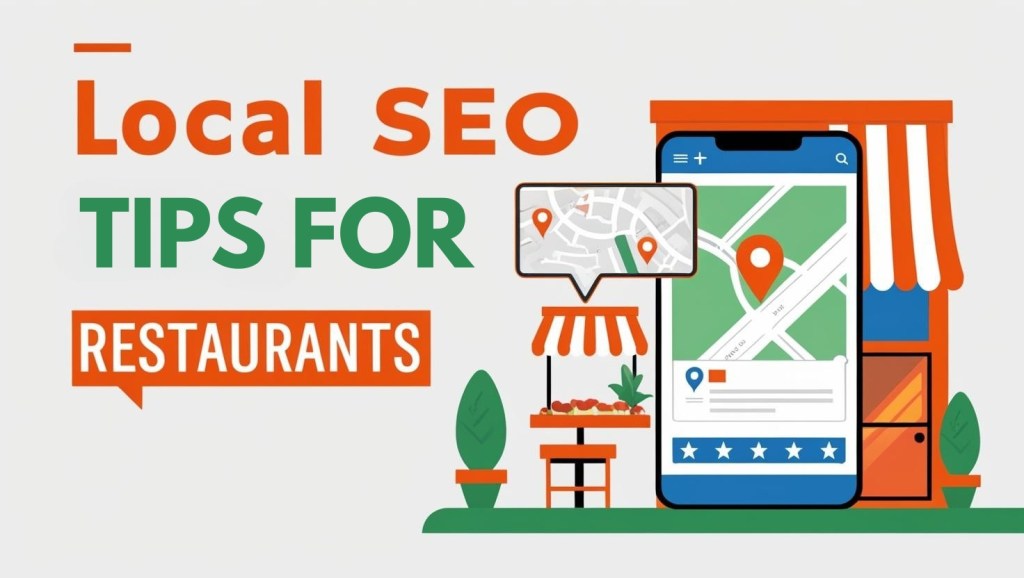
Local SEO has become essential for restaurants that want to attract more customers from nearby areas. With the rise of mobile usage and voice searches, people are constantly looking for places to eat “near me.” If your restaurant is not showing up in those local search results, you are missing out on a huge opportunity.
Strong local visibility helps potential customers discover your business when they need it most. Whether someone is new to the area or just hungry and nearby, being easy to find online can directly increase foot traffic and orders. The good news is that SEO for restaurants does not require a huge budget or advanced technical skills.
In this blog, you will learn five simple and effective tips that can boost your restaurant’s online presence. These tips are practical, proven, and tailored specifically to food businesses. When applied correctly, they can become a vital part of your overall restaurant digital marketing strategies.
Optimize Your Google Business Profile
One of the most effective ways to improve your local SEO is by optimizing your Google Business Profile. When people search for restaurants near them, Google often shows a map with top listings. These listings usually come from businesses that have complete and active profiles.
Start by claiming and verifying your business on Google. Make sure your restaurant name, address, and phone number are accurate. Add your business hours, website link, and a short description that clearly explains your cuisine and dining experience.
Photos also play a major role. Upload high-quality images of your food, interior, and exterior. This not only builds trust but also encourages clicks. Include your menu if possible, so customers can see what you offer before they arrive.
Select the most relevant categories for your restaurant. For example, if you serve Italian food, choose “Italian Restaurant” instead of just “Restaurant.” This helps Google connect your profile with specific local searches.
Encourage satisfied customers to leave positive reviews. Respond to all reviews, both good and bad, in a professional and friendly manner. This shows potential customers that you care about their feedback and are actively managing your online presence.
A well-optimized Google Business Profile is often the first impression people have of your restaurant. Make it count.
Use Local Keywords Strategically
Local keywords help search engines understand what your restaurant offers and where it is located. They make your content more relevant to nearby customers who are searching online. Using the right keywords can push your website higher in search results, especially for location-based queries.
Start by identifying terms people might use when looking for a restaurant like yours. These could include phrases such as “best Thai restaurant in Austin” or “family-friendly diner in Chicago.” Include the name of your city or neighborhood wherever it fits naturally.
Place these keywords in key areas of your website. Use them in page titles, meta descriptions, image alt text, headers, and throughout your content. Avoid overusing them. Instead, aim for a natural flow that still provides clear information.
You can use free tools like Google Keyword Planner or Ubersuggest to find keyword ideas that match your restaurant type and location. This will help you understand what potential customers are actually searching for.
Local keyword use should not be an isolated task. It needs to be part of your larger restaurant digital marketing strategies. When combined with content marketing, social media, and directory listings, keyword optimization becomes much more powerful.
Ensure NAP Consistency Across the Web
NAP stands for Name, Address, and Phone number. These three details must be accurate and consistent wherever your restaurant appears online. Search engines use this information to verify the legitimacy of your business. Inconsistencies can confuse both customers and algorithms, which can hurt your local search rankings.
Start by checking your website, social media profiles, and all online directories where your restaurant is listed. Make sure the name is spelled the same way in every place. Do not abbreviate the address on one site and spell it out on another. Keep your phone number in the same format across platforms.
Even small differences, like using “St.” in one place and “Street” in another, can cause problems. Consistency tells search engines that your business is trustworthy and well-managed.
There are tools that can help with this process. Platforms like Moz Local and Yext allow you to update your NAP details across multiple directories at once. This saves time and ensures accuracy.
When your NAP information is clean and uniform, it becomes easier for local customers to find and contact your restaurant. It also supports your overall local SEO strategy.
Get Listed in Online Directories
Online directories play a major role in helping people discover your restaurant. Sites like Yelp, TripAdvisor, Zomato, and local food blogs are often among the top search results for restaurant-related queries. Being listed on these platforms increases your visibility and credibility.
Start by creating or claiming your profiles on these directories. Add accurate details about your restaurant, including your business name, address, phone number, website, and hours of operation. Upload high-quality images that show off your food, ambiance, and overall dining experience.
Include a direct link to your menu if the platform allows it. Make it easy for customers to see what you offer and make a decision quickly. Use the same descriptions and branding across all listings to maintain a consistent image.
Choose the right category and tags for your restaurant. For example, if you specialize in vegan dishes, use tags like “Vegan Restaurant” or “Plant-Based Dining.” This helps customers find your business when they filter searches by cuisine or dietary preference.
Being active on these directories also signals to search engines that your business is relevant and well-connected in the local community. This can lead to better search rankings and more foot traffic.
Encourage Customer Reviews and Engagement
Customer reviews are one of the most powerful tools in local SEO. Positive feedback builds trust and helps your restaurant stand out in search results. People often rely on reviews before choosing where to eat, especially in unfamiliar areas.
Encourage your customers to leave reviews after their visit. You can do this by placing a reminder on the receipt or displaying a small sign near the register. Some restaurants also use follow-up emails or QR codes that link directly to their review page.
Make it easy for customers to share their experience. The more reviews you collect, the more data search engines have to understand and rank your business. Fresh and consistent feedback also shows that your restaurant is active and relevant.
Responding to reviews is just as important as collecting them. Always reply politely, whether the review is positive or negative. Thank customers for their support and address concerns respectfully. This shows that you value feedback and are committed to providing great service.
Engaging with your customers online strengthens your reputation and increases your visibility in local search results. It builds a loyal customer base and encourages others to visit your restaurant.
Conclusion
Improving your restaurant’s local SEO does not have to be complicated. By taking a few simple steps, you can make it easier for nearby customers to find and choose your business. Start by optimizing your Google Business Profile. Use local keywords to boost your relevance in search results. Keep your name, address, and phone number consistent across all platforms. List your restaurant in popular directories, and actively manage your presence there. Most importantly, encourage and respond to customer reviews to build trust and engagement.
These five tips are practical and proven. When applied together, they can form the foundation of your restaurant digital marketing strategies. Local SEO is not a one-time task. It is an ongoing effort that rewards consistency and attention to detail.
Begin with one step today and build your progress over time. Your future customers are already searching for a place like yours. Make sure they can find you easily.
 Culinary Business Tech
Leave a comment