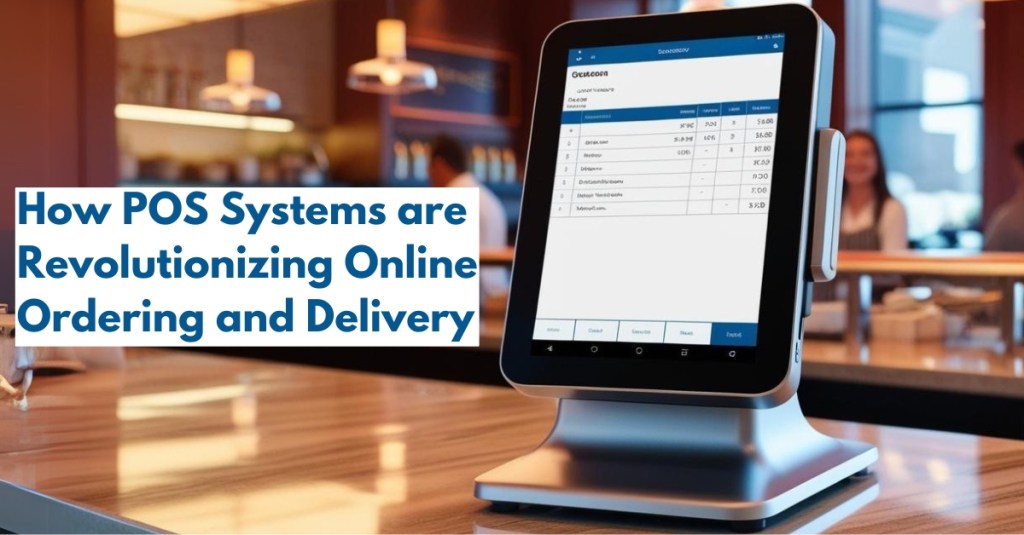
The food industry is evolving rapidly, and technology is playing a major role in this transformation. Customers now expect seamless digital experiences, whether they are ordering food online or dining in. As a result, food businesses must adapt to stay competitive.
A Point of Sale (POS) system is no longer just a tool for processing payments. It has become the central hub for managing orders, inventory, and customer interactions. With the rise of online ordering and delivery services, integrating a POS system with third-party apps has become essential.
This blog explores how POS systems are integrating with online ordering and delivery apps to improve efficiency, accuracy, and customer satisfaction.
The Growing Need for POS and Online Ordering Integration
Online food ordering has seen significant growth in recent years. Customers prefer the convenience of ordering food from their favorite restaurants with just a few taps on their smartphones. This shift in consumer behavior has led to a surge in demand for efficient online ordering and delivery services.
For restaurant owners, managing online orders manually can be time-consuming and error-prone. Without integration, staff members must enter each order into the POS system manually, increasing the chances of mistakes. This can lead to incorrect orders, delayed preparation, and dissatisfied customers.
Integrating a POS system with online ordering and delivery apps eliminates these challenges. Orders are automatically transferred from the app to the POS system, ensuring accuracy and efficiency. This seamless connection helps food businesses keep up with the fast-paced digital landscape while improving customer satisfaction.
How POS Systems Integrate with Online Ordering and Delivery Apps
Modern POS systems are designed to connect seamlessly with online ordering and delivery platforms, and the types of POS systems for restaurants play a key role in determining the level of integration. This integration ensures that restaurant operations remain efficient while enhancing the customer experience. Here are the key ways POS systems integrate with these platforms.
API Connectivity
Most POS systems use Application Programming Interfaces (APIs) to communicate with third-party apps. APIs allow the POS system and online ordering platforms to exchange data in real time. This enables orders placed on apps like Uber Eats, DoorDash, and Grubhub to be directly transferred into the restaurant’s POS system without manual entry.
Cloud-Based Synchronization
Cloud technology allows POS systems and online ordering apps to stay in sync at all times. Any updates made to the restaurant’s menu, pricing, or availability are reflected instantly across all connected platforms. This prevents discrepancies that could lead to customer complaints or order cancellations.
Automated Order Management
Integration eliminates the need for staff to manually input online orders into the POS system. When an order is placed through an app, it is automatically sent to the POS system and then forwarded to the kitchen. This reduces errors, speeds up order preparation, and enhances overall efficiency.
Menu and Inventory Sync
With POS integration, restaurant owners can manage their menu and inventory effortlessly. Any changes made to the menu, such as adding new dishes or updating prices, are updated across all online ordering platforms. Additionally, inventory levels are tracked in real time, preventing customers from ordering items that are out of stock.
This integration ensures smooth operations while minimizing errors and inefficiencies.
Benefits of Integration for Food Business Owners
Integrating a POS system with online ordering and delivery apps offers several advantages. It helps streamline restaurant operations while enhancing customer satisfaction. Here are the key benefits food business owners can expect from this integration.
Efficiency and Time-Saving
Manual entry of online orders takes time and increases the risk of mistakes. With POS integration, orders flow directly into the system, reducing human errors. This allows staff to focus on food preparation and customer service rather than administrative tasks.
Improved Order Accuracy
Errors in order entry can lead to incorrect food deliveries, causing frustration for both customers and restaurant staff. Automated order processing ensures that every order is recorded accurately, minimizing mistakes and reducing food waste.
Better Customer Experience
Customers expect fast service when they order food online. POS integration speeds up the process by instantly sending orders to the kitchen. This results in quicker preparation times and timely deliveries, leading to higher customer satisfaction.
Data and Analytics for Business Growth
A POS system collects valuable data on sales trends, peak ordering times, and customer preferences. With integration, restaurant owners gain access to detailed insights that help them make informed business decisions. They can identify best-selling items, adjust pricing strategies, and optimize operations for maximum profitability.
Seamless Payment Processing
Online orders often come with different payment methods, including credit cards, digital wallets, and third-party app payments. A fully integrated POS system ensures that payments are processed securely and automatically recorded in the system. This reduces reconciliation errors and simplifies financial tracking.
These benefits make POS integration a crucial investment for food businesses looking to stay competitive in the digital age.
Choosing the Right POS System for Your Business
Selecting the right POS system is essential for smooth integration with online ordering and delivery apps. Not all systems offer the same level of compatibility, so restaurant owners must consider several factors before making a decision.
Key Features to Look For
A POS system should have the necessary features to handle online orders efficiently. Business owners should look for:
- Seamless integration with popular food delivery apps.
- Cloud-based technology for real-time updates.
- Automated order processing to reduce manual work.
- Inventory management tools to keep track of stock levels.
- Detailed reporting and analytics for business insights.
Future Trends in POS and Online Ordering Integration
The restaurant industry is constantly evolving, and POS systems are adapting to meet new challenges. As technology advances, businesses must stay ahead by embracing innovations that improve efficiency and customer experience. Here are some emerging trends shaping the future of POS and online ordering integration.
Artificial Intelligence and Automation
AI-powered POS systems are becoming more common in restaurants. These systems can analyze customer preferences, suggest popular menu items, and predict demand during peak hours. Automation also helps streamline operations by managing repetitive tasks such as order processing and inventory tracking.
Integration with Loyalty Programs
Customer retention is essential for restaurant success. Modern POS systems now integrate with loyalty programs, allowing customers to earn and redeem rewards automatically when they place an order online. This seamless connection encourages repeat business and improves customer engagement.
Contactless and Digital Payment Solutions
The demand for fast and secure payment methods continues to grow. Many restaurants now accept mobile wallets, QR code payments, and cryptocurrency transactions. A POS system with digital payment integration ensures smooth transactions while enhancing customer convenience.
Expansion of Delivery Options
The future of food delivery is expanding beyond traditional courier services. Some companies are testing autonomous delivery solutions, such as drones and self-driving vehicles. As these technologies develop, restaurants may need POS systems that can adapt to new delivery methods and track orders efficiently.
Advanced Data Analytics for Decision-Making
Data-driven insights are becoming more valuable for restaurant owners. Future POS systems will provide even more advanced analytics, helping businesses identify sales trends, customer preferences, and areas for improvement. These insights enable restaurant owners to make informed decisions that drive growth and profitability.
Adopting these innovations ensures that restaurants remain competitive in an industry that is rapidly shifting toward digital solutions.
Conclusion
The restaurant industry is evolving, and integrating a POS system with online ordering and delivery apps is no longer optional. It is essential for improving efficiency, reducing errors, and enhancing customer satisfaction. A well-integrated system allows food businesses to automate order processing, sync inventory, and provide seamless payment options.
Choosing the right POS system is a crucial decision for restaurant owners. Factors such as compatibility, cloud-based features, and cost should be carefully considered. As technology continues to advance, businesses that embrace AI, automation, and digital payments will stay ahead of the competition.
Investing in a POS system with online ordering integration ensures smoother operations and long-term growth. Restaurant owners who adopt this technology can improve customer experience, streamline processes, and maximize their revenue in an increasingly digital world.
 Culinary Business Tech
Leave a comment